Barn Owls Give Napa Valley Vineyards a Nighttime Ally |
Vineyard research reveals how these nighttime hunters change rodent numbers and behavior |
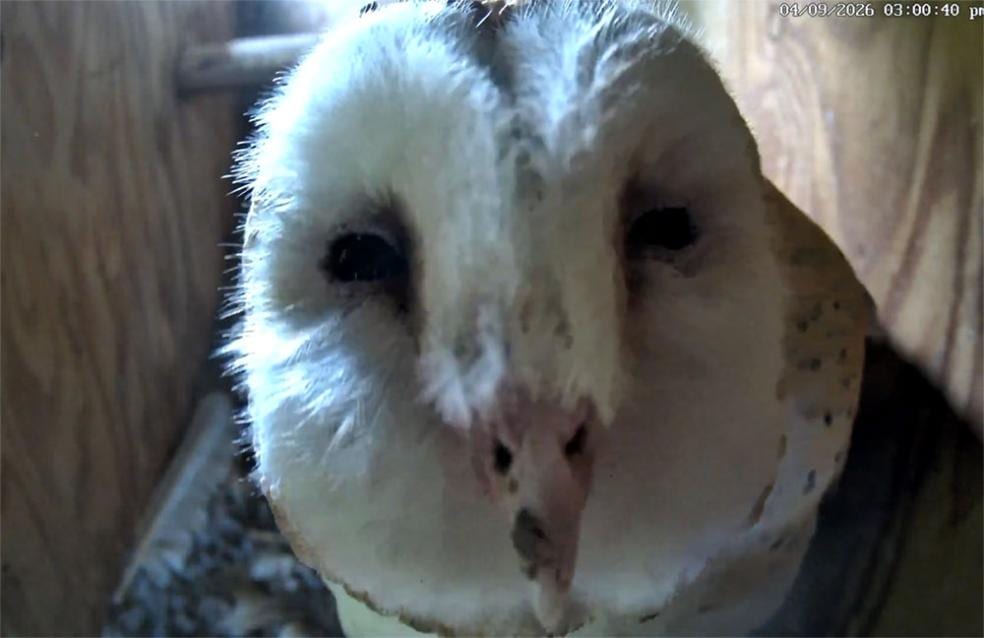
If you’ve noticed wooden boxes perched on tall poles beside Napa Valley vineyards, some of them are housing a pest-control crew that works after dark.
Barn owls hunt the rodents that trouble growers, and research suggests their presence changes what surviving rodents are willing to risk for a meal.
A study published in Ecological Applications followed six Napa Valley vineyards from February through July 2023.
Researchers from Cal Poly Humboldt and UC Davis monitored nest boxes and used chew blocks, camera traps, and food trays to investigate rodent abundance and behavior.
Areas where owls hunted more had an estimated 38–52% fewer rodents. And the remaining rodents were less active as they appeared to be more wary of predators.
Those figures describe the study’s conditions, rather than a promised result from putting up a box.
The second finding matters because an animal that spends less time feeding may do less damage, even when it escapes becoming dinner.
More Than A Hungry Neighbor
The university’s account of the research explains that barn owls rely heavily on hearing, while rodents depend more on sight to spot danger.
Vegetation can therefore change the balance between hunter and prey.
The work adds to a longer research program that has monitored more than 500 vineyard nest boxes since 2015.
An owl family can consume as many as 4,000 rodents annually, but a new box may remain empty for one to three years.
For growers, the appeal is making room for a natural predator as part of a broader pest-management plan.
The Local Connection
Napa Wildlife Rescue’s Barn Owl Maintenance Program helps property owners monitor occupancy and maintain existing boxes.
Spring checks record owls, eggs, and chicks, while fall visits remove accumulated debris and address minor repairs.
Those observations also contribute data to research partners.
However, it is important to note that Napa Wildlife Rescue no longer sells or installs these boxes.
The rescue directs installation inquiries to Tom Clark of Clark Sustainable Solutions, who can assess a suitable location.
For existing boxes, ask the program about current service availability rather than disturbing nesting birds yourself.
The box on a vineyard pole is only the beginning; suitable habitat, patient expectations, and ongoing care help make it a useful home. |
22 Comments
Join the conversation
Natural pest control sounds good, but I appreciate the note that these study numbers aren't guaranteed just by adding a box.
Interesting that owls rely on hearing and rodents on sight. The vineyard landscape can really change who has the advantage.
Teresa N.That stood out to me too. A bit more cover could make a big difference in that predator-prey balance.
We get rodents in the vineyard shed every winter. Maybe an owl box nearby would help, if the spot is suitable.
Please don't go poking around in a nest box during nesting season. The fall cleanup sounds like the right time for maintenance.
Kim FosterAbsolutely. Better to leave occupied boxes alone and let the folks who maintain them handle it.
I like that the research followed six vineyards over several months instead of assuming every box works the same.
Paul W.Right, and even with six vineyards the results are specific to those conditions, not a guarantee for every box.
Four thousand rodents a year for one owl family, wow. Nature has a pretty efficient pest crew.
Nina G.That number surprised me too. Pretty impressive work for a family of owls.
Does vegetation around the box make it harder for rodents to spot an owl? That part caught my attention.
Dave H.I think vegetation affects how well each side can detect the other, though the article doesn’t say it simply hides the owl.
My neighbor has a box that sat empty for a couple years before owls showed up. Patience paid off.
I thought the owls just ate the rodents. The part about making the others more cautious is interesting too.
Mike R.That cautiousness could matter a lot if it means the rodents spend less time feeding near the vines.
Glad Napa Wildlife Rescue is still helping monitor the existing boxes. Checking on the chicks without disturbing them matters.
Good reminder that putting up a box doesn't mean owls will move in right away. One to three years is a long wait.
Chris P.It really is a wait. I guess the right habitat matters as much as putting the box up.
I hear barn owls at night but rarely see them. They do a lot more work out there than I realized.
Rosa V.Same here. I hear them around my place near the vineyards, but they’re hard to spot.
38 to 52 percent fewer rodents is a pretty impressive difference. I wonder how much it varies from vineyard to vineyard.
We have one of those boxes near our place. Nice to know the owls may be helping with the gophers too.